
The Mirror that Nature Holds
August 25, 2026 – March 13, 2027
Events
Curatorial Tour with Ryan Hardesty & Guest Artists, September 3, 2026, 4:00 pm – 5:00 pm
Opening Celebration & Arts First Thursdays, September 3, 2026, 5:00 pm – 7:00 pm
Exhibition
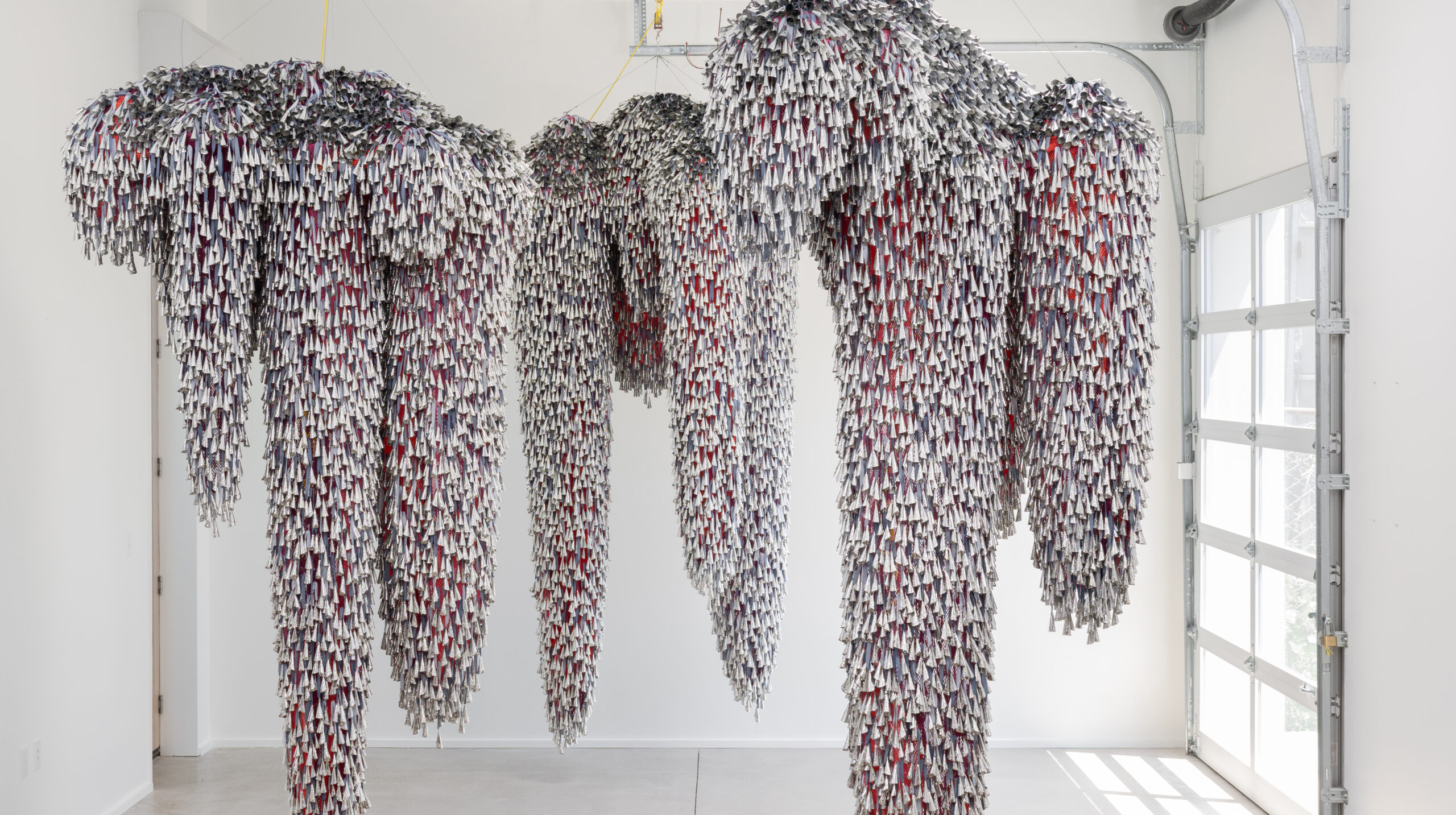
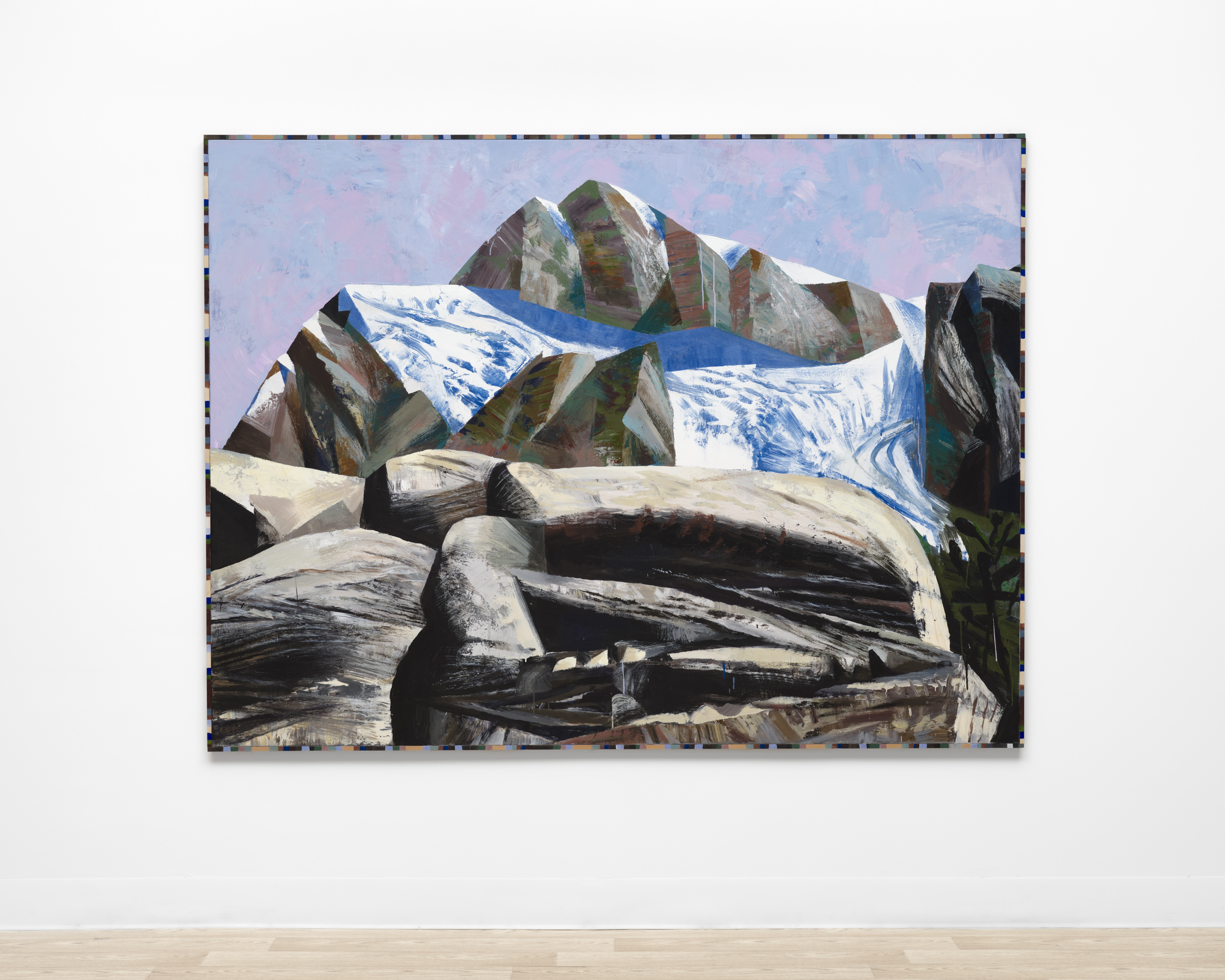
The Mirror that Nature Holds brings together a vast array of contemporary artists whose practices reflect the natural world as a site of wonder, memory, unease, and potential. In dialogue with the philosophical legacy of the sublime, such as the transcendental aspirations of Caspar David Friedrich and the atmospheric expanses of J. M. W. Turner, the exhibition explores how artists today approach landscapes that inspire awe even as they signal precarity.
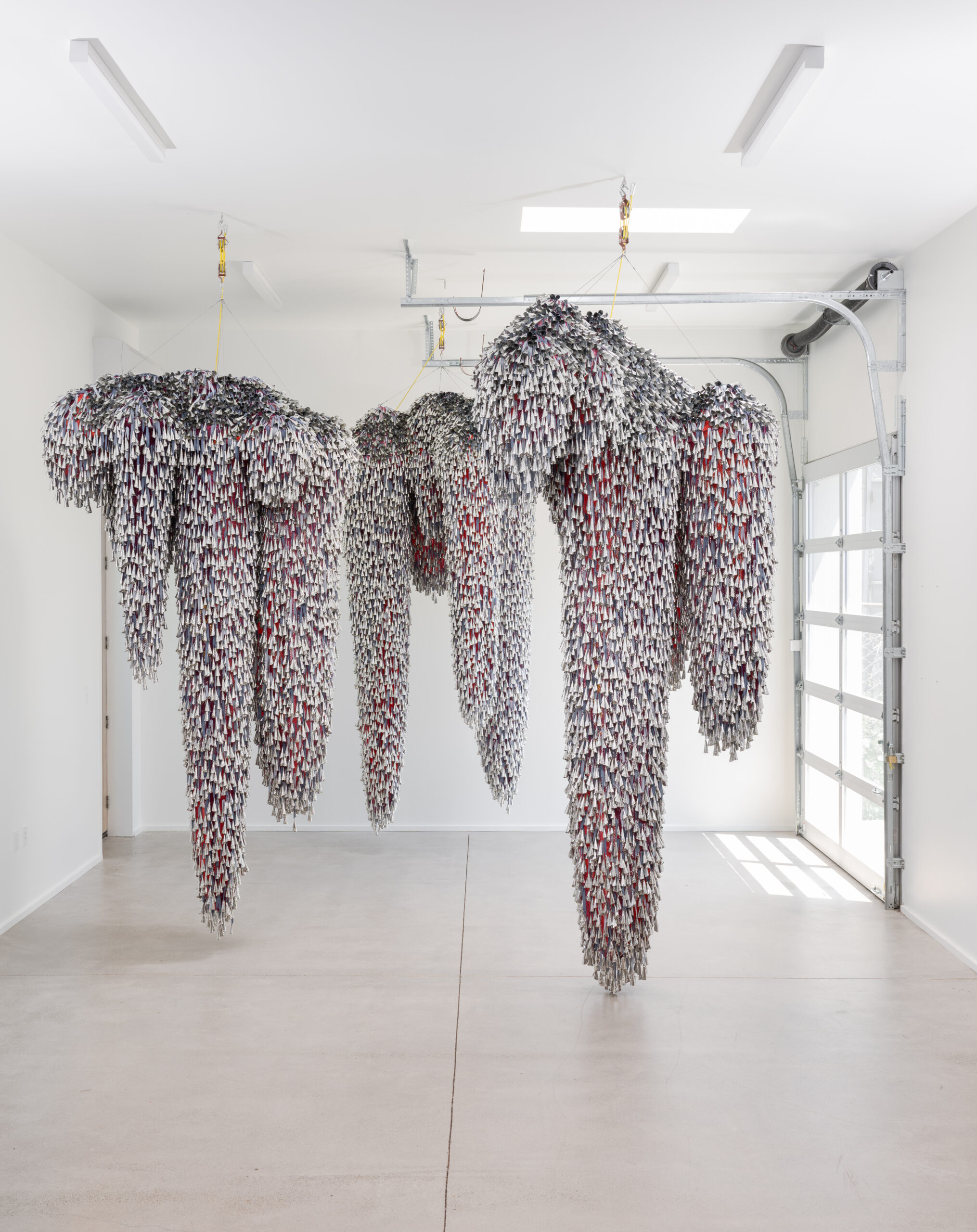
Drawn from the unparalleled collections of Jordan D. Schnitzer and his family’s foundation, the exhibition includes 90 works across painting, print, sculpture, and installation. Artists such as Richard Dupont, Tacita Dean, and others, reflect the overwhelming splendor of forests, oceans, deserts, and skies. Awe is presented as an ethical encounter: to be dwarfed by a mountain range or enveloped by the sky is to be reminded of forces beyond human control.
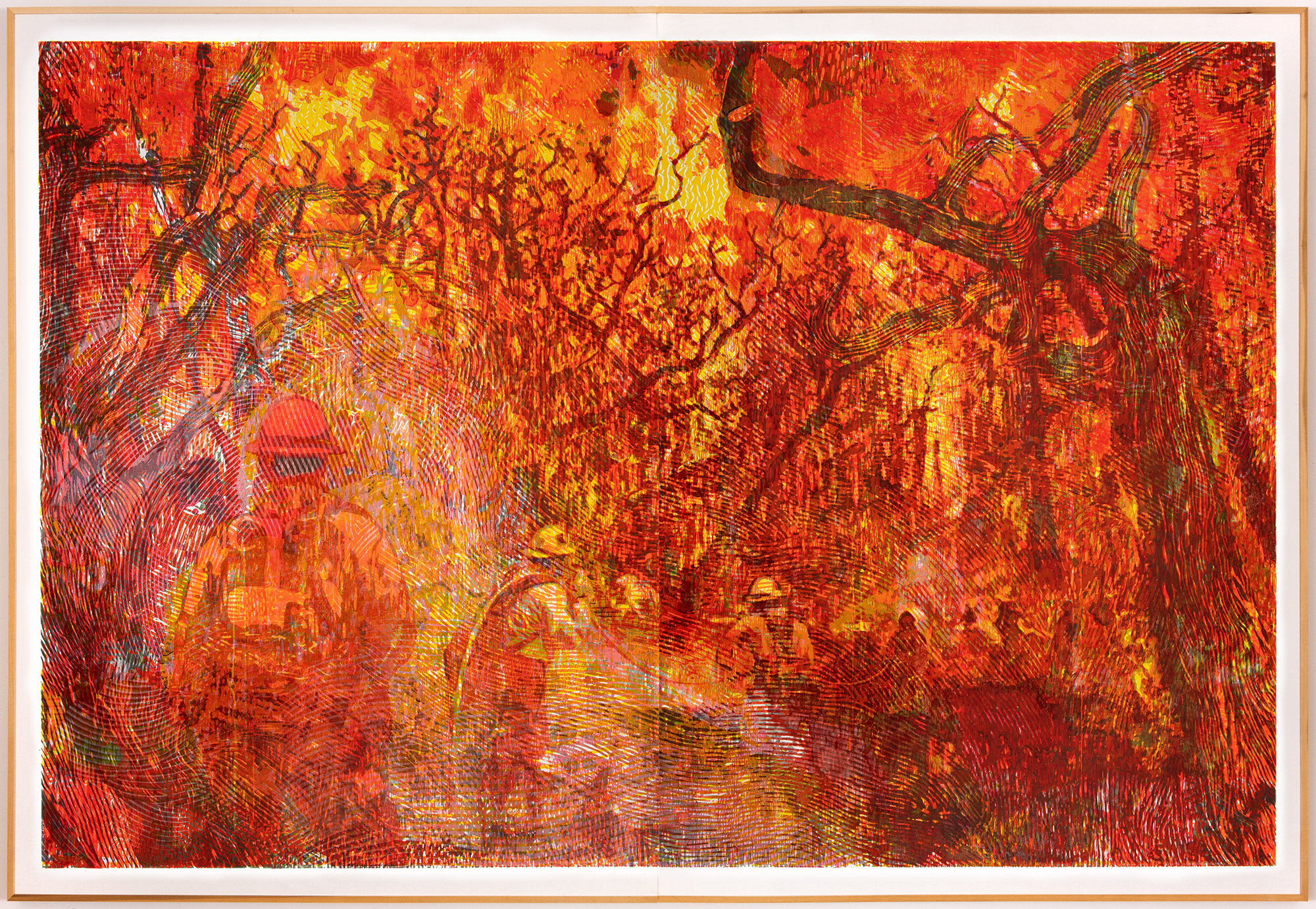
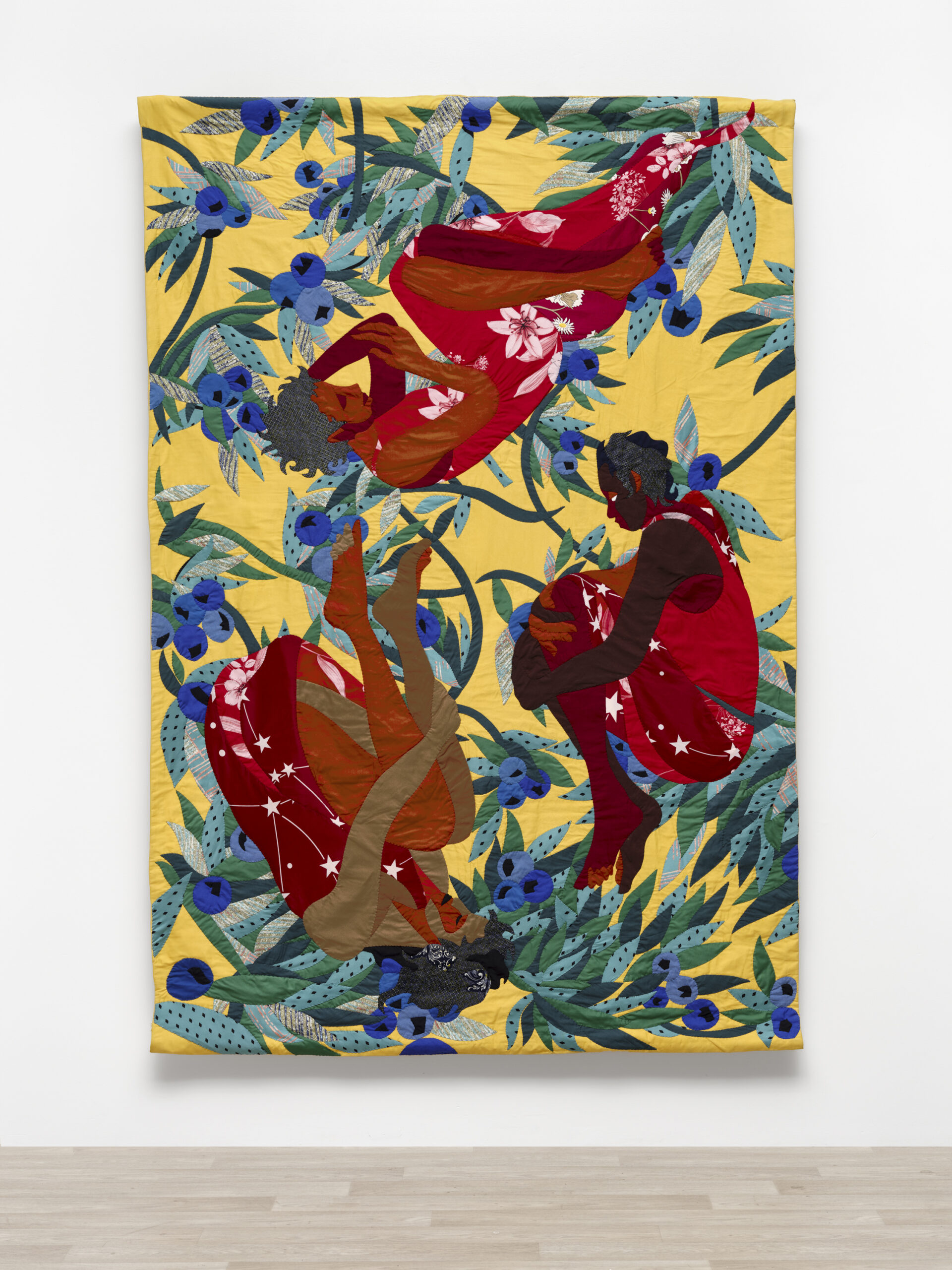
That reminder, however, carries discomfort. Several works grapple with the destabilizing scale of a planet in crisis—generational storms, megafires, rising seas, and resulting migrations. Working together, artists Zorawar Sidhu and Rob Swainston foreground climate anxiety not as abstraction but as lived conditions through their monumental woodcuts on fabric. Others such as Alison Saar, Rashid Johnson, Julie Mehretu explore ecological displacement not simply as physical movement caused by environmental change, but as layered socioeconomic experiences within stories of survival and transformation.
Indeed, storytelling emerges as a mechanism for understanding and a vital counterpoint to paralysis. Through speculative narratives, revived folklore, and community-based practices, artists craft new myths to mediate between human and more-than-human worlds. In works by Christopher Meyers and Vanessa German storytelling becomes a relational tool: a way to translate history into emotion, to situate the personal within planetary time, and to imagine kinship across species and generations. The exhibition suggests that narrative is not a retreat from science but a necessary companion, an embodied language through which ecological knowledge becomes communal.
The Mirror that Nature Holds ends with hope. The exhibition offers propositions for balance: stewardship and world views of interdependence. Artists envision futures shaped less by dominion than by care, worlds in which repair is collective and ongoing. These gestures are modest yet insist that a positive futurism is not naive but essential. In bringing together works that oscillate between majesty and alarm, the exhibition invites viewers to inhabit the emotional spectrum of the present ecological moment.
Organized by the Jordan Schnitzer Museum of Art WSU. Funding for this exhibition is provided by Jordan D. Schnitzer and the Harold & Arlene Schnitzer CARE Foundation, the Samuel H. and Patricia W. Smith Endowment, and friends of the museum.
Location
The Jordan Schnitzer Museum of Art WSU is located in the Crimson Cube (on Wilson Road across from Martin Stadium/Gesa Field and the CUB) on the WSU Pullman campus.
Visit
The museum is located at the heart of campus. Visitors can park closest in the Smith Center For Undergraduate Education parking garage. Daily parking permits can be purchased the same day online at parking.wsu.edu.
About the Jordan Schnitzer Family Foundation
The Jordan Schnitzer Family Foundation’s contemporary art collection is one of the most notable in North America. The Foundation has shared its art with millions across the U.S. and internationally through groundbreaking exhibitions, publications, and programs. Founded by ARTnews Top 200 Collector Jordan D. Schnitzer—whose passion for art began in his mother’s contemporary art gallery in Portland, Ore.—the Foundation has organized over 180 exhibitions from its collection and additionally loaned thousands of artworks to over 130 museums at no cost to the institutions. Schnitzer began collecting contemporary prints and multiples in 1988 and today is North America’s foremost print collector. His Foundation’s collection consists of thousands of artworks, including a wide variety of prints, sculptures, paintings, glass, and mixed media works.
Artworks
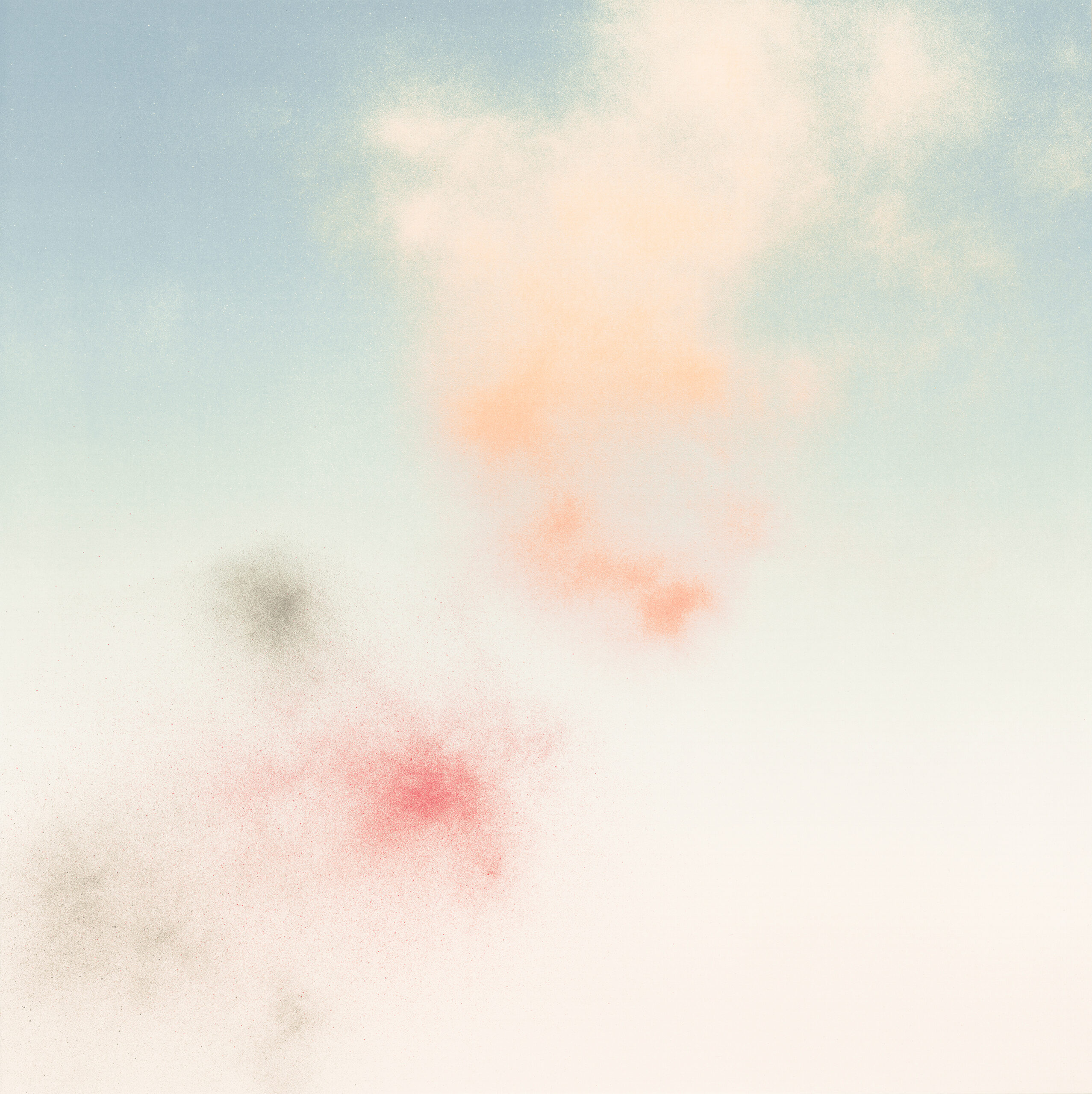
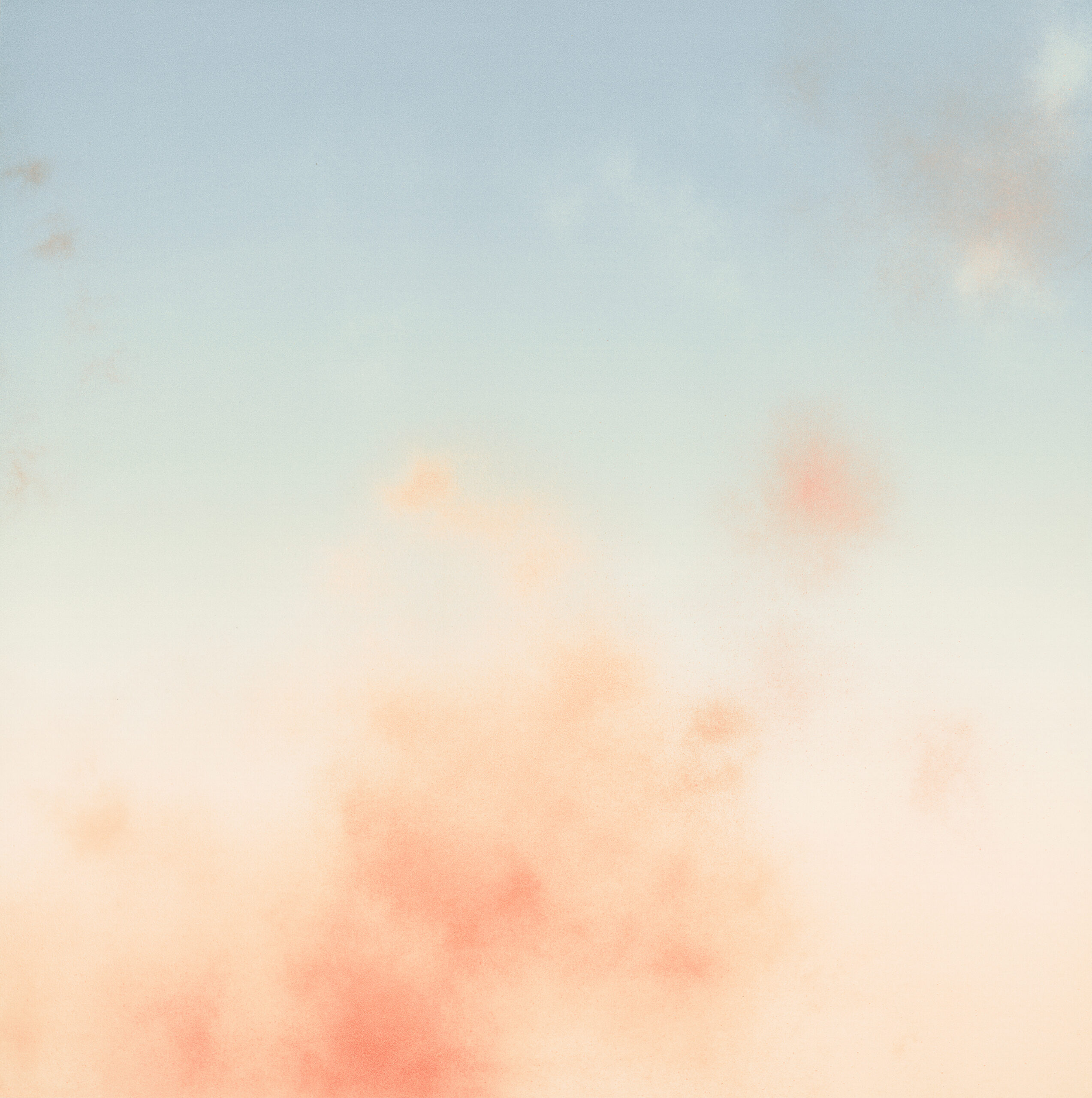
To view images of selected artworks from the exhibition, click on the arrows after each image, or click the individual work to scroll through full size images of the works.

© 2010 Alex Katz / Artists Rights Society (ARS), NY

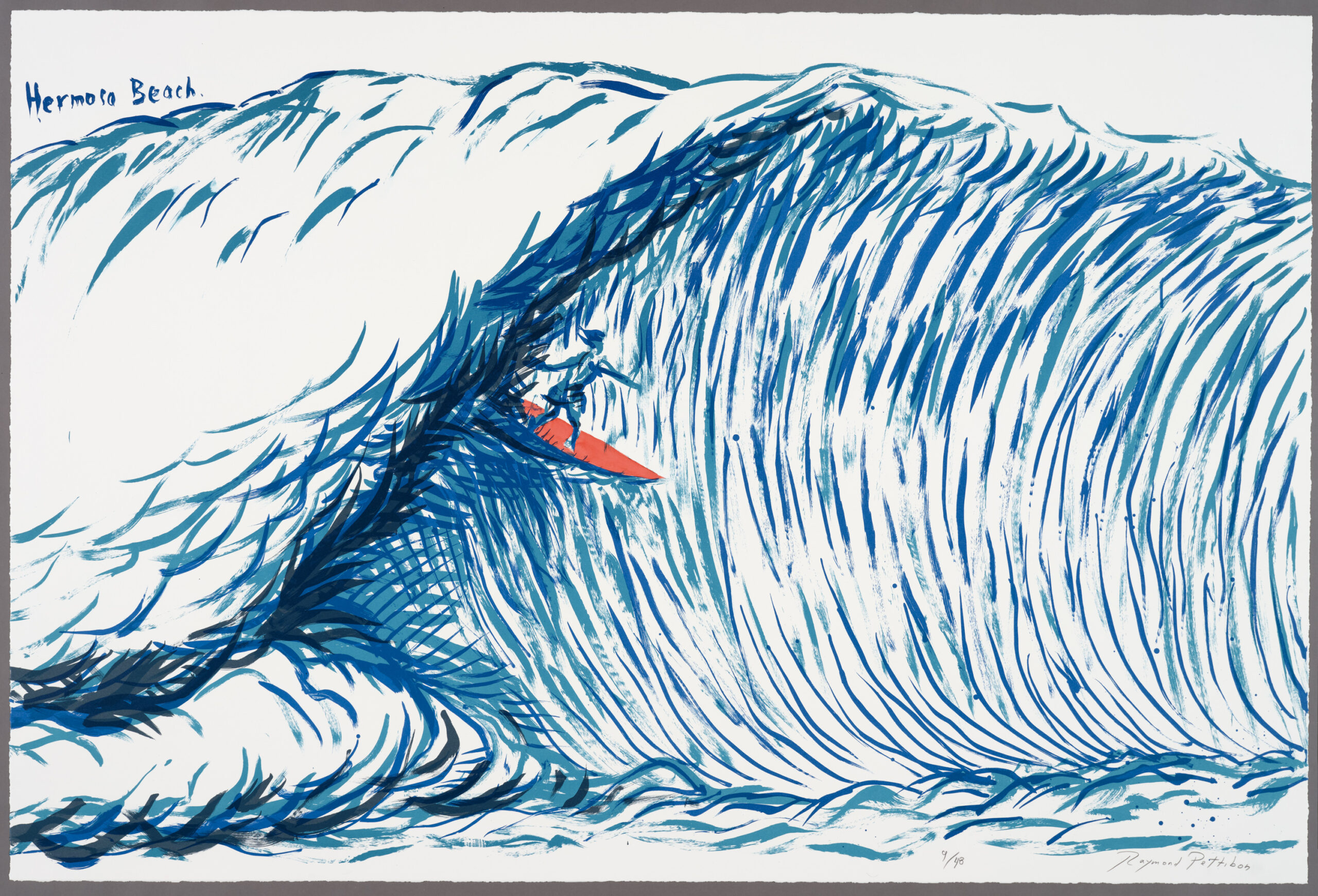
© Raymond Pettibon, Courtesy the artist and David Zwirner
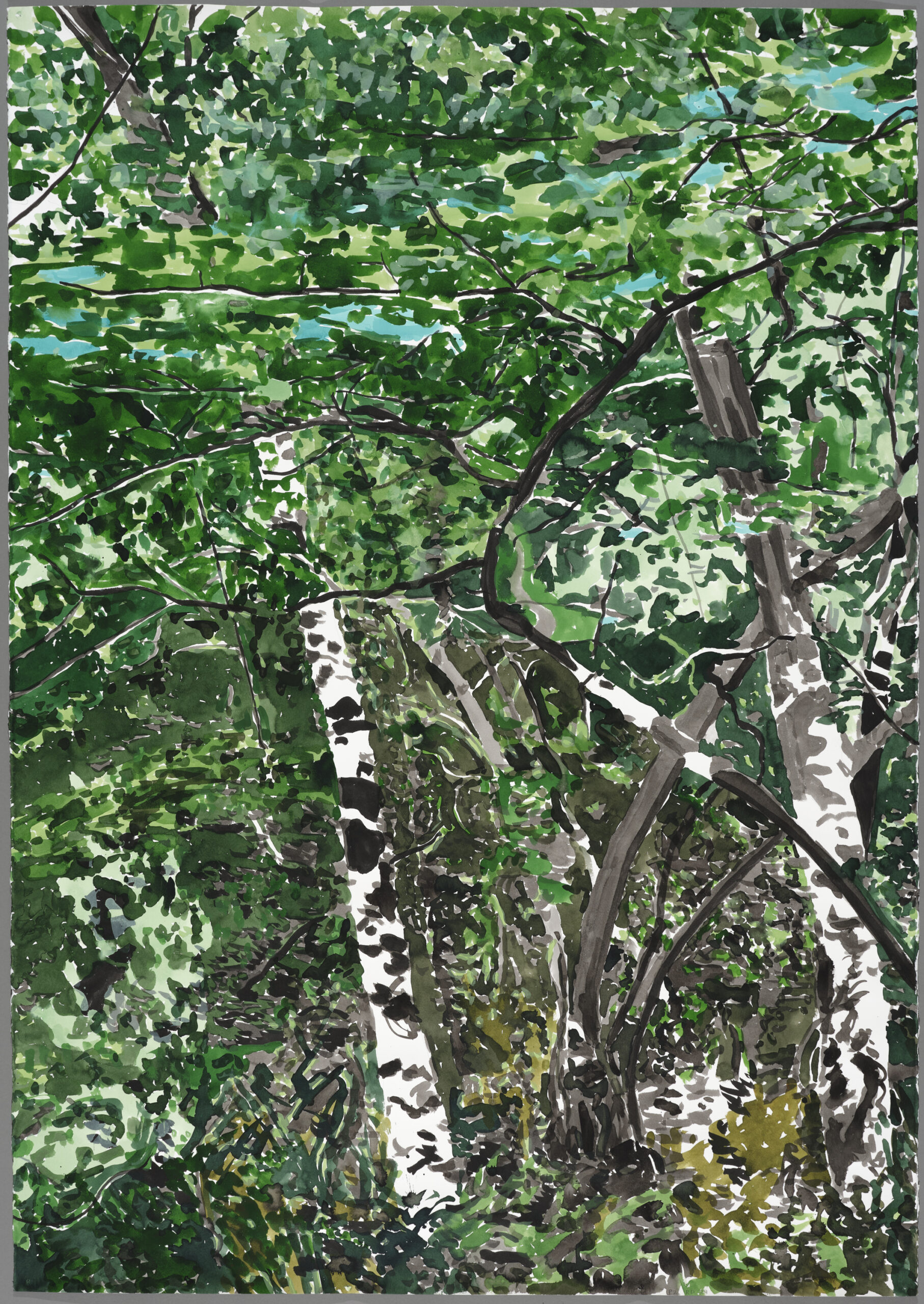
© 2024 Richard Dupont / Artists Rights Society (ARS), New York